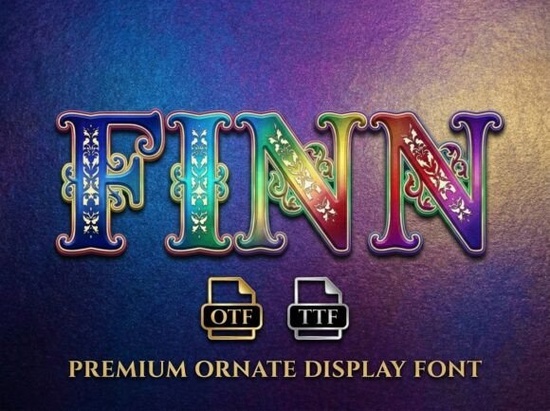
If you are looking for a typeface that instantly adds structure without sacrificing elegance, an ornamental display serif is usually the right direction. Finn Font fits this category perfectly by combining traditional serif stability with decorative flourishes that catch the eye. The letters feature crisp geometric foundations softened by sweeping terminal curves and subtle damask-inspired patterns woven directly into the stems. This balance lets designers place the type at various sizes while keeping the details readable rather than messy.
Display typefaces like this one serve a specific purpose: they act as visual anchors in layouts where mood matters more than body copy density. Crafters often reach for them when working on wedding invitations, label designs, or digital overlays because the built-in ornamentation does much of the heavy lifting that usually requires extra graphic elements. When you drop these characters onto a mockup, they establish a refined tone before anyone reads a single word.
When Should You Choose an Ornamental Serif Over a Clean Sans-Serif?
You will get cleaner results when the project relies heavily on atmosphere rather than rapid information scanning. Luxury real estate brochures, high-end perfume labels, and fantasy novel cover titles all benefit from the deliberate rhythm of carved terminal details. A straight sans-serif might look modern, but it often feels too neutral for markets that want to signal heritage or craftsmanship. If your layout includes rich textures, deep background tones, or metallic ink finishes, a detailed serif keeps the hierarchy intact without competing with photographic elements. Many makers prefer styles similar to Josie Font when they need slightly softer curves, while others lean toward heavier strokes found in Western Block Font for rustic branding.
How to Pair Finn With Supporting Typefaces
Good typography always leaves room for contrast. Because these letters carry built-in decorative weight, you should pair them with straightforward sans-serifs or light slab fonts for secondary text. Use a highly legible typeface for price points, care instructions, or short blurbs on packaging. The goal is to let the headline breathe while the supporting text handles readability. If you frequently switch between ornamental display styles, comparing the structural approach of Inell Font can help you understand how different designers handle negative space inside complex shapes. Clean counters paired with delicate swashes typically outperform overwrought alternatives when printed at smaller sizes.
What Makes This Typeface Work Well for Print-on-Demand and Small Business Labels?
Print-ready commercial files save hours of manual tracing and contour cleanup. Vector outlines scale cleanly across t-shirt prints, sticker sheets, and sublimated apparel without creating jagged edges or missing fine lines. When designing for retail or online shops, you also want characters that render predictably across different RIP software and printer drivers. Detailed display faces sometimes struggle when DPI drops below two hundred, so always export your artwork at three hundred dots per inch for physical goods. Adding a simple drop shadow or thin gold foil layer often enhances the carved details instead of obscuring them. Crafters who already work with structured headings regularly review options like Rabios Font to maintain a consistent visual vocabulary across multiple product lines.
Where Can You Explore Comparable Decorative Options?
Building a reusable toolkit means testing variations of the same concept before committing to a full brand system. Some projects require lighter line weights, while others demand heavier ink coverage. Comparing the structural choices behind Initial Simple Font shows how reducing ornamentation still preserves typographic presence. For designers who want to browse current seasonal releases or check file formats before purchasing, searching the marketplace directly provides quick access to updated previews and license details. Reviewing Finn Font on the platform lets you see real-world applications, download sample packs, and verify vector compatibility in advance.
- Test your chosen size against a standard ruler to confirm terminal details remain distinct.
- Run a quick color contrast check on both white and black backgrounds before finalizing.
- Save overlapping vector paths as grouped layers to prevent accidental merging during editing.
- Export a low-resolution PDF preview to share with clients or collaborators for quick approval.
Start with a single headline variation, measure the spacing visually, and adjust tracking only if letters feel cramped. Once the kerning looks balanced across your primary phrase, duplicate the text layer and apply it to your mockup. Keep a dedicated folder for exported assets labeled by project date and client name so future revisions stay organized and easy to locate.
Try It Free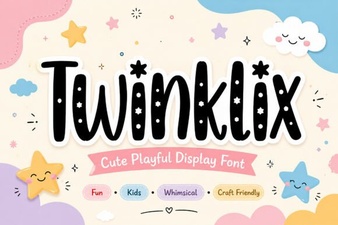 Twinklix Font: Creative Design Projects & Ideas
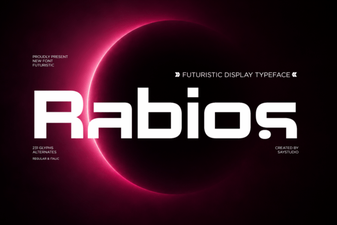 Rabios Font: Download & Creative Projects Guide
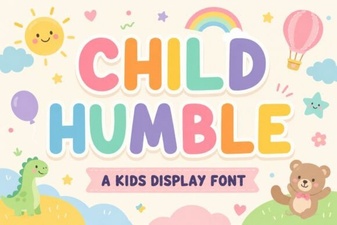 Crafting Projects with Humble & Playful Fonts
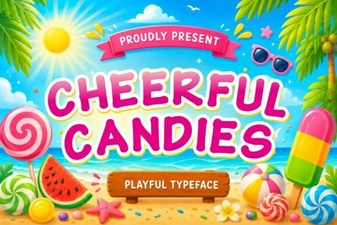 Cheerful Candies Font for Fun Web Design
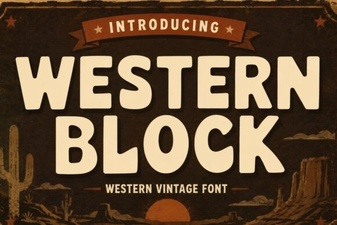 Western Block Fonts for Design Projects
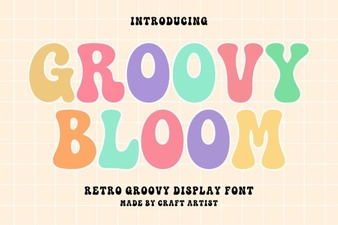 Groovy Bloom Font for Modern Creative Projects