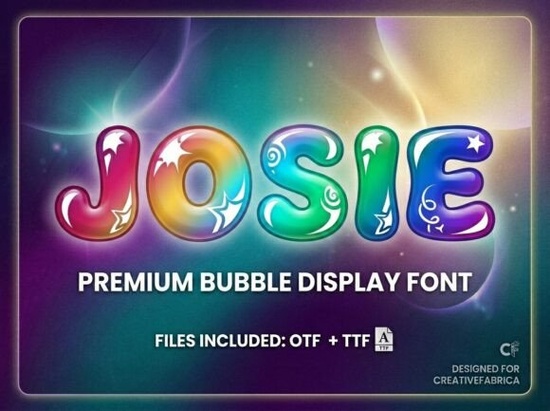
If you need a typeface that instantly commands attention without heavy graphics, Josie Font delivers exactly that. Designed as an avant‑garde decorative display option, this upper‑case only letterform focuses on sharp silhouettes and deliberate negative space to make every word act as a centerpiece. Crafters, print‑on‑demand sellers, and brand designers often choose it when they need a single line to carry the visual weight of a layout. Because it omits lowercase characters, each glyph receives detailed treatment, turning ordinary names into statement pieces that read cleanly at large sizes while holding up well on physical products like stickers, apparel, and gift tags.
What Makes an All‑Caps Display Typeface Stand Out?
Upper‑case exclusive letters work best when treated as standalone illustrations. By removing lowercase forms, the creator could focus entirely on crossbar thickness, serif angles, and edge curves. This approach keeps text highly legible when scaled down for labels or blown up for event backdrops. Small business owners benefit because the style communicates confidence without requiring custom lettering budgets.
Where Does This Typeface Fit Best in Your Projects?
Designers typically apply this style to three distinct areas:
- High‑impact headlines on blog posts, thumbnails, or podcast covers where quick recognition matters more than body copy.
- Signature logos and brand marks for boutique studios or wellness brands that want a refined yet bold identity.
- Conceptual packaging and promotional materials such as limited‑edition merch drops or festival posters that need to stop scrollers mid‑feed.
Crafters selling vinyl decals also find value here because uniform height reduces alignment headaches during cutting and heat pressing. When testing mockups, keep the line length short and let generous tracking breathe around the edges.
How Should You Pair It With Other Fonts?
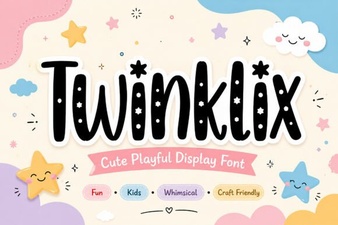
Display letters demand balance. Since the main piece carries heavy visual weight, pair it with a clean sans‑serif for secondary details like contact info or care instructions. If you enjoy exploring alternative upper‑case options, you might compare the geometric structure of Moment against softer rounded alternatives like Finn. For projects leaning toward playful aesthetics, Twinklix offers a contrasting bounce, while Cheerful Candies provides a sweet texture when you need warmth instead of edge.
What Technical Files Come With the Download?
The package includes both OpenType and TrueType versions to cover different workflow preferences. OpenType supports advanced layout features that adjust automatically in major creative suites. TrueType ensures reliable rendering in older software suites, web editors, and mobile design apps. Both formats preserve original metric spacing, so moving between applications rarely breaks alignment. Designers working across different operating systems will notice consistent baseline positioning regardless of their host machine.
How Do You Avoid Common Typography Mistakes?
Even strong display faces can look cluttered if used incorrectly. Stick to these practical rules to maintain readability:
- Keep headline text to two or three words maximum for immediate scanning.
- Increase letter spacing by five to ten percent on long taglines, and reduce it slightly for tight logo lockups.
- Maintain high contrast between text and background; dark ink on cream paper or white shapes on deep navy perform reliably.
- Avoid stacking multiple decorative types together, which fractures visual hierarchy.
Print sellers should always export proofs at 300 DPI and check for hairline gaps where curves meet straight strokes.
Ready to Try It in Your Next Layout?
Before finalizing any artwork, run a quick validation checklist to ensure the type stands alone correctly:
- Verify all glyphs render uniformly across your primary editing software.
- Test the headline at actual print size or screen dimensions to catch unwanted crowding.
- Confirm licensing terms match your intended commercial distribution.
- Export a low‑res preview for client feedback before generating final production files.
When you are comfortable with spacing and contrast, export your artwork in your preferred format and begin production. For designers who prefer a similar structural approach, searching for Josie Font on Creative Fabrica reveals additional resource pages you can reference during future project planning.
Next step: open your design program, load the font, set your canvas to a standard print ratio, and draft three headline variations using short phrases. Compare spacing, switch between light and dark backgrounds, and select the arrangement that feels balanced before committing to final exports. Save those measurements as a reusable template so every subsequent launch maintains consistent typography standards.
Learn More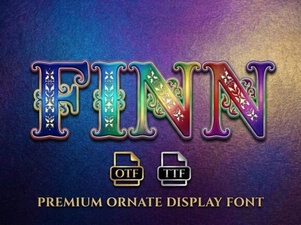 Finn Font: Design Ideas for Modern Projects
 Twinklix Font: Creative Design Projects & Ideas
 Rabios Font: Download & Creative Projects Guide
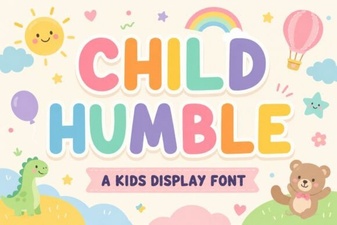 Crafting Projects with Humble & Playful Fonts
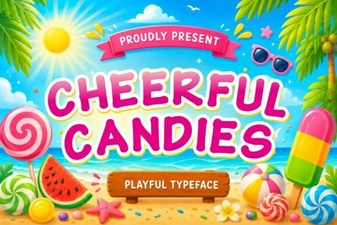 Cheerful Candies Font for Fun Web Design
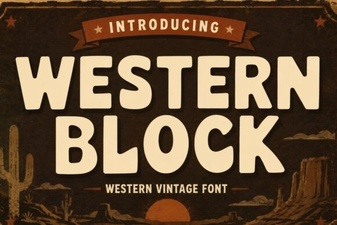 Western Block Fonts for Design Projects