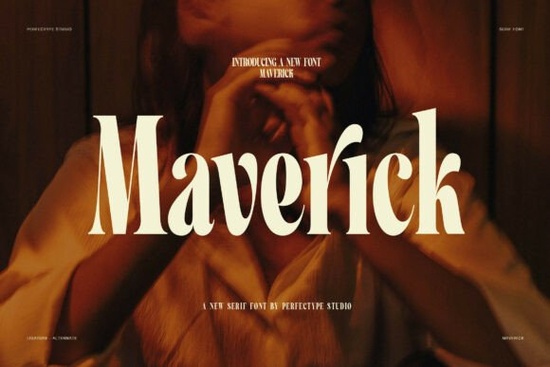
If you need a typeface that instantly communicates sophistication without sacrificing readability, Maverick Font delivers exactly that balance. It is a luxury serif designed for creators who want strong, confident typography in their projects. The letterforms feature tall proportions and clear contrast between thick and thin strokes, giving headlines a graceful, editorial feel. Because the design leans toward display use, it works best when reserved for short text rather than body copy.
Why do designers prefer high-contrast serifs for display work?
High contrast highlights the difference between heavy and light parts of each character. This trait catches the eye quickly, making it ideal for packaging, album covers, or promotional graphics where you have only a few seconds to grab attention. The narrow spacing combined with refined curves keeps the overall layout tight. You will notice that the letter shapes stretch slightly vertically, adding height and elegance to any caption or logo mark. These structural choices prevent text from feeling flat.
Tip: Always pair this style with simpler supporting fonts. A clean sans-serif creates enough visual rest to let the main headline breathe.
Where can you apply these elegant letterforms?
This family fits naturally into several project types across different creative workflows. Print-on-demand sellers often use it for apparel quotes and home decor signs because the bold strokes reproduce well on fabric. Small business owners rely on it for menu headers and wedding invitations where a refined aesthetic matters. Social media creators find it effective for quote cards and podcast cover art since the tall forms scale nicely on mobile screens. Crafters also appreciate how quickly it transforms hand-lettered ideas into consistent digital mockups.
When building a visual system, you might compare other options in the same genre. If you prefer a wider, more architectural structure, browsing structured display typefaces shows how letter width changes layout mood. Conversely, if you enjoy experimenting with varying stroke weights, keeping modern serif variations in your resource folder saves time during client revisions.
How do the built-in alternates change the final result?
Custom alternates and ligatures remove the robotic feel that sometimes comes with automated text rendering. Instead of typing identical characters repeatedly, you can swap select letters for stylistic versions that match your specific brand voice. Ligatures connect certain pairs smoothly, reducing awkward gaps and creating a more cohesive word shape. These adjustments raise the perceived quality of the finished piece. You can preview the full character set directly at Maverick Font before importing anything into your workspace.
Limit stylistic switches to one or two per line. Overusing alternates turns a clean layout into a cluttered experiment. Stick to replacing repeating letters or adjusting punctuation spacing for the best results.
- Reserve the typeface for headlines under twenty words whenever possible.
- Use wide margins and breathing room to highlight the thin strokes.
- Test white text against dark backgrounds to enhance high contrast.
- Export vector formats for large-scale printing to keep edges crisp.
Before launching your next campaign, shrink your design to thumbnail size and check legibility. If the key message remains clear at one inch wide, the hierarchy is working. Adjust tracking if letters feel cramped, and tighten leading if lines appear disconnected. Once spacing feels balanced, your typography will support your visual goals instead of competing with them.
What should you check before adding it to a commercial project?
Always verify the licensing terms attached to your download file. Most Creative Fabrica packages allow both personal and commercial use, though some restrictions may apply to merchandise limits. Confirm whether the license covers unlimited printed copies or caps physical goods at a certain quantity. Keeping a record of your license code next to the original export files prevents future compliance questions.
Before moving forward, run through this quick preparation checklist to ensure smooth implementation across all platforms.
- Confirm your download includes both standard and alternate character sets.
- Verify the commercial license covers your intended production volume.
- Set up baseline spacing values for headlines, subheads, and captions.
- Save a simplified version of the design flattened for web publishing.
Next step: Open your design software, import the provided .otf files, and enable the OpenType panel features. Test a single phrase at actual print size, adjust tracking until the rhythm feels steady, and export your primary artwork. Repeat the process for additional layouts once the initial spacing parameters are locked in.
Learn More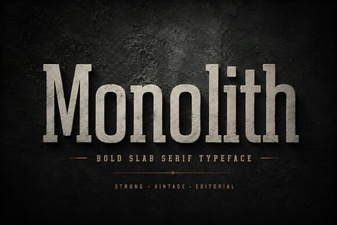 Monolith Font: Design & Usage Guide for Creative Projects
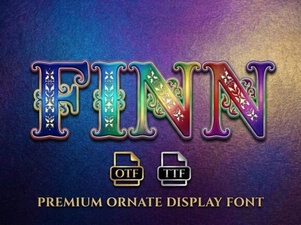 Finn Font: Design Ideas for Modern Projects
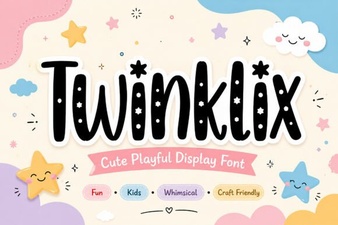 Twinklix Font: Creative Design Projects & Ideas
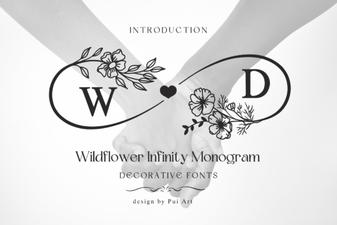 Monogram Font Ideas for Modern Craft Projects
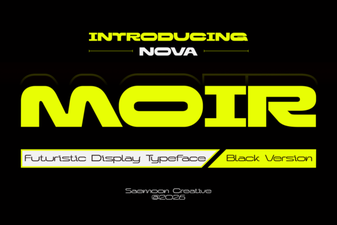 Nova Moir Font: Creative Design Projects & Ideas
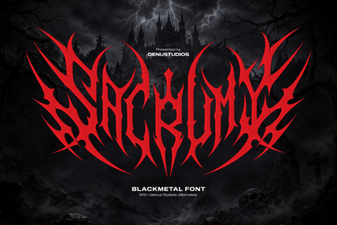 Sacrumy Font: a Creative Typeface for Modern Designs