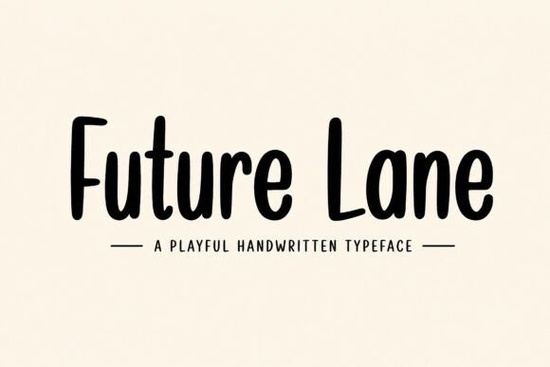
If you are looking for a typeface that instantly adds a warm, approachable feel to your designs, Future Lane is built exactly for that purpose. This playful handwritten style brings a natural flow to any layout without feeling messy or hard to read. Whether you run a print-on-demand store, manage a small business brand, or simply enjoy crafting custom gifts, having a versatile script on hand saves hours of trial and error. The font combines confident letterforms with soft, rounded edges, making it easy to drop into existing templates or build entirely new compositions from scratch.
What gives this typeface its distinct character?
The strength of Future Lane lies in its balance between structure and spontaneity. Each letter features bold strokes that catch the eye, while the organic curves keep the overall look friendly rather than rigid. You will notice subtle variations in weight that mimic actual pen or brushwork, which helps typography feel human-made instead of machine-generated. Because the spacing is already optimized, it reads cleanly on both digital screens and physical prints. That reliability is exactly why many creators reach for it when they need quick but polished results.
Which projects benefit most from this style?
This script adapts easily across multiple mediums because it carries enough personality to stand alone yet remains legible enough for longer phrases. Small business owners often use it for logo marks, welcome signs, and packaging labels where a personal touch drives customer connection. Crafters and vinyl cutters appreciate how it holds up on curved surfaces like mugs, tote bags, and stickers without losing its fine details. Social media content creators also lean toward it for quote graphics, event announcements, and promotional banners. Book cover designers frequently select it for romance, lifestyle, or memoir titles because the hand-drawn quality suggests authenticity and warmth.
How do you pair it without creating visual clutter?
Typeface harmony relies on contrast, and Future Lane provides plenty of room for complementary fonts. Since it already carries strong emotional weight, pairing it with a clean, neutral sans serif creates a professional foundation. Try using it for headlines or short phrases while letting geometric or modern sans serifs handle body text and captions. This combination keeps layouts readable while preserving the script’s charm. If you ever need a more delicate accent for side notes or watermarks, a light italic or thin decorative font can add layering without competing for attention. Experimenting with these combinations teaches you how to control hierarchy and guide the viewer’s eye naturally.
For those who want to explore licensed versions and additional file formats, checking out the official listing for Future Lane ensures you receive all the proper documentation and usage guidelines.
What if you need alternatives with a similar vibe?
Design projects rarely stop at a single typographic choice, so keeping a curated library of complementary scripts makes workflow smoother. If you prefer something slightly more flowing for greeting cards or wedding invitations, exploring options like Kari Sea introduces elegant waves that maintain readability. When your focus shifts toward bold, chunky lettering for streetwear graphics or motivational posters, testing out September gives you a heavier alternative that still feels hand-crafted. For softer, floral-inspired layouts, reviewing Magnolia reveals delicate connections between characters that work beautifully on stationery boxes. Casual brands and kids’ products often pair well with the rounded simplicity found in Happy Sticks, while pet-friendly branding or family-oriented merch looks natural with the gentle curves of Snuggle Bunny. Switching between these styles during brainstorming phases helps you match the exact mood each project requires.
Before finalizing your layout, run through a quick review to ensure your choices align with both brand standards and production limits.
- Check scale: Preview the text at actual print dimensions to confirm legibility.
- Test color contrast: Verify that dark backgrounds paired with lighter script lines remain readable.
- Verify licensing: Confirm commercial usage rights match your intended sales channel.
- Export correctly: Save vector files for cutting machines and high-resolution PNGs for digital ads.
Apply one variation per mockup, gather feedback from peers, and refine until the message feels clear and intentional. Building a reliable font routine now will streamline your next batch of designs and reduce revision time.
Get Started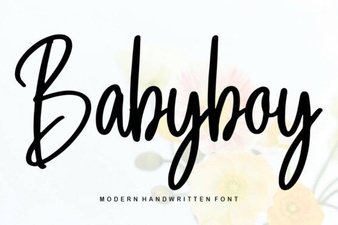 Crafting with the Babyboy Font: Design Ideas & Uses
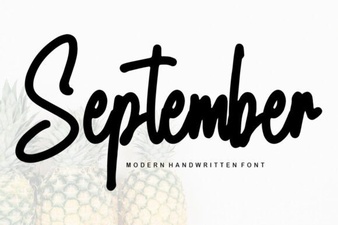 Choosing the Perfect September Font for Your Design Project
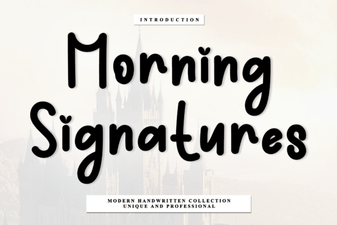 Morning Signatures Font: Creative Handwriting for Design Projects
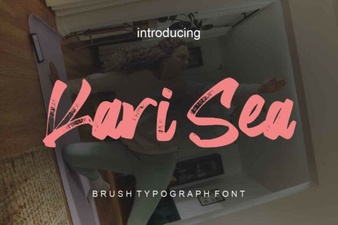 Kari Sea Font Download & Creative Typography Ideas
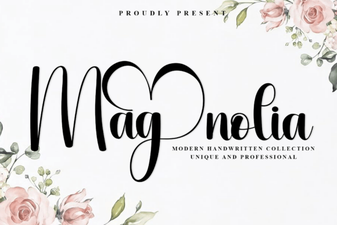 Elevate Your Designs with the Elegant Magnolia Font
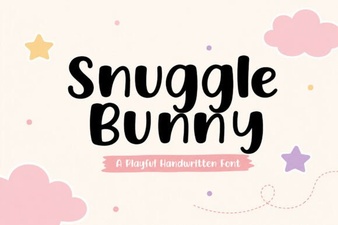 Snuggle Bunny Font: Designs & Creative Projects