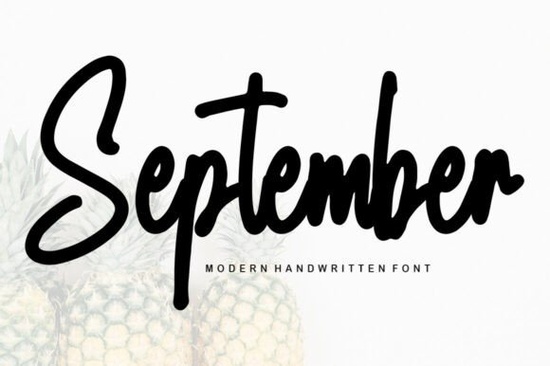
If you are looking for a typeface that feels warm without sacrificing legibility, September Font delivers exactly what you need. This handwritten style balances relaxed charm with clean structure, making it straightforward to use across various projects. Whether you are designing digital greeting cards, printing custom labels, or creating shop banners for your small business, a reliable script saves hours of tweaking spacing.
Consistent stroke weight sets this typeface apart. Unlike brush styles that muddy at smaller sizes, September stays readable when scaled down for social media graphics or product packaging. Sellers and crafters rely on this trait for sharp cross-medium output.
When Should You Choose a Relaxed Handwritten Style?
Use this script when your project demands approachability rather than strict formality. Traditional typefaces often feel too rigid for personal branding or creative hobbies. A friendly handwritten option lowers the visual barrier, performing exceptionally well in invitation suites, journaling templates, and artisanal product lines. When your goal is to make audiences feel welcomed, this casual flow handles the heavy lifting without complex adjustments.
Designers also value how easily these letterforms pair with bolder display typefaces. Combining a geometric sans for headings with flowing script for supporting copy creates clear visual hierarchy. Testing both together demonstrates how naturally the weights complement each other in balanced compositions.
How Does September Fit Into Your Design Workflow?
Integration requires minimal setup. After installation, simply open the files in your design program. The character map covers standard Latin glyphs, accents, numbers, and punctuation. Enable OpenType features directly through your software panels to access special ligatures and swashes.
Nudge tracking slightly negative before finalizing. Organic shapes sit closer together, so tightening spacing prevents awkward gaps. Set line height near 140 percent for mobile and print readability.
What Projects Benefit Most From This Typeface?
Certain directions shine when paired with this style. Wedding stationery gains an elegant yet unpretentious feel, while subtle overlays on lifestyle photography add personality without distraction. Short quotes render cleanly for social feeds, and names transfer beautifully onto personalized goods like mugs or signs. Digital planners also improve, as section dividers maintain a cohesive aesthetic throughout spreads.
Small business owners frequently build logo variations or signature marks using this family. The natural rhythm mimics actual pen movement, adding authenticity to brands emphasizing care and detail. Exploring matching elements from the same creator keeps your visual identity consistent as you scale operations.
Where Can You Explore Similar Handwritten Options?
Building a robust typography library requires more than one download. Rotating script families across campaigns saves time. If you like this relaxed cadence, reviewing a blooming floral script at this resource or browsing a cozy rounded alternative expands your creative toolbox. You might also examine early morning cursive sets at this page for sharper calligraphic moments, or test coastal-inspired lettering at this collection for summer themes. Keeping track of the dedicated hub streamlines future asset hunting.
For precise formatting references, checking typographic guidelines from September provides accurate baselines and sizing recommendations. These specs prevent scaling errors during commercial exports.
Practical Checklist Before You Export
Run through these steps to ensure professional outcomes:
- Convert text to outlines if no further editing is needed.
- Check contrast ratios for accessibility compliance.
- Verify readability at minimum output dimensions.
- Attach font licenses when uploading to digital marketplaces.
- Save reusable templates to speed up batch production.
Handwritten typefaces perform best when honored for their original proportions. Tighten spacing intentionally, pair them with contrasting weights, and reserve them for projects needing a personal touch. Start simple, test alignments, and trust natural rhythms instead of rigid grids.
Download Now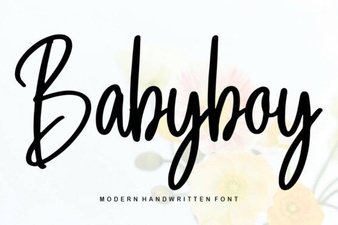 Crafting with the Babyboy Font: Design Ideas & Uses
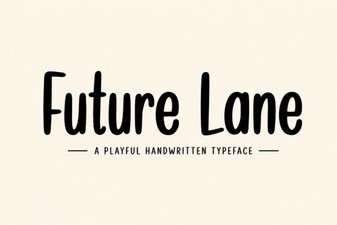 Future Lane Font: Creative Applications & Design Ideas
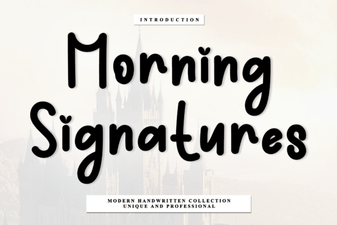 Morning Signatures Font: Creative Handwriting for Design Projects
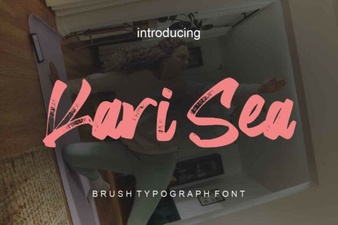 Kari Sea Font Download & Creative Typography Ideas
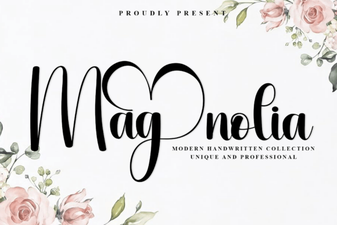 Elevate Your Designs with the Elegant Magnolia Font
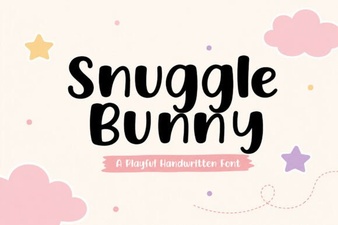 Snuggle Bunny Font: Designs & Creative Projects