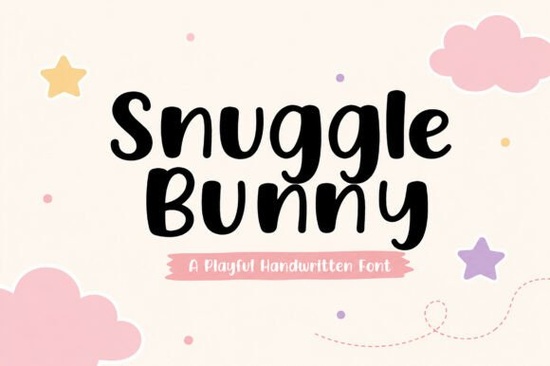
If you need a typeface that instantly adds warmth to your projects, the Snuggle Bunny Font delivers exactly that kind of charm. Hand-drawn with soft curves and gently rounded letters, this script style works beautifully when you want text to feel friendly rather than rigid. Crafters and print-on-demand sellers often choose it because it balances whimsy with clear legibility, which matters when customers scan labels or digital ads at a glance. The design keeps a cozy, handmade aesthetic without sacrificing the spacing needed for professional results.
Rounded terminals and a consistent baseline mimic natural handwriting, creating an immediate sense of comfort. When designing baby shower invites, toddler room decor, or early learning materials, you want typography that encourages rather than demands attention. This family provides that gentle presence while holding up against larger display headers. You can pair it with muted earth tones or soft pastels for a cohesive look. Many sellers see better engagement when the primary text mirrors the nurturing theme of their products.
Why does this font work well for children’s branding and nursery designs?
Young audiences respond quickly to shapes that feel safe. The open letterforms adapt easily to sticker sheets, apparel graphics, tote bag prints, and educational worksheets. If you enjoy exploring other expressive scripts for different moods, consider Morning Signatures for structured daily planners, or September Script when you need slightly taller proportions for wider layouts. Both sit comfortably in the same handwritten category while offering distinct rhythm patterns.
Adjust line height and tracking to fit crowded label spaces or wide banner formats. Test your artwork at actual print size before finalizing orders, since screen scaling sometimes distorts subtle curve details. For seasonal collections, pairing lighter weights with bold display elements creates enough contrast to guide the eye. Other options worth testing include Happy Sticks for a looser feel, Baby Boy Script for gender-neutral themes, and Future Lane if you need smoother character connections.
How does it compare to other handwritten options on the market?
Many typefaces claim to be child-friendly but sacrifice readability or produce awkward kerning with certain consonant pairs. This family avoids that trap by maintaining generous side bearings and predictable stroke thickness. The result stays crisp whether printed on matte cardstock or stretched across vehicle wraps. If you want to explore similar stylistic approaches, searching for Snuggle Bunny shows the complete character set and ready-to-use mockup templates.
Pairing this style with a clean sans-serif header improves scanning speed for busy shoppers. Keep decorative elements simple and let the typography carry the emotional weight. File sizes remain manageable, which speeds up rendering in vector software. Regular updates usually fix minor path overlaps, so downloading the latest package ensures smooth beziers and accurate diacritical marks.
Is this suitable for both personal and commercial use?
Most license packages cover standard retail applications, including physical merchandise, digital downloads, and promotional videos. Always verify the exact usage terms inside your purchase confirmation before launching mass-produced items. Small batch runs typically fall under basic commercial rights, while wholesale distribution may require an expanded tier. Keeping a record of your license receipt prevents misunderstandings during marketplace audits. You can freely combine the characters into custom logos or workshop handouts as long as you do not resell the raw font file.
How do you get the most out of this typeface in your workflow?
Start by setting up a master document template that locks your margins, bleed lines, and color profiles. Import the typeface once, then duplicate it across layers so you can swap styles without breaking alignment. Adjust tracking to roughly eighty percent for tighter sticker layouts, or increase it to one hundred twenty percent when placing text along curved paths. Use contrasting colors sparingly; a single pop of mustard yellow behind pale pink lettering draws focus without clashing.
Before shipping finished goods, run a test print on your actual substrate material. Ink absorption changes appearance on fabric compared to glossy paper, and slight shifts in line weight become noticeable under strong lighting. Crop marks help production teams align cuts accurately. If you ever need backup variations, browsing curated script categories often reveals seasonal releases that complement your existing library.
Ready to start designing? Quick implementation checklist:
- Verify your intended use matches the included commercial license tier.
- Export artwork in CMYK for print jobs and RGB for digital ads.
- Test all character combinations for smooth connections and balanced spacing.
- Add a half-inch bleed area around die-cut or edge-to-edge designs.
- Keep your original installation files backed up in case of system upgrades.
Download the full set, open your preferred design application, and place three sample phrases across different layout widths. Review how the curves interact with your background imagery, tweak line heights until the rhythm feels steady, and finalize your first batch of files. Once you establish a reliable workflow, expanding into themed collections becomes straightforward.
Try It Free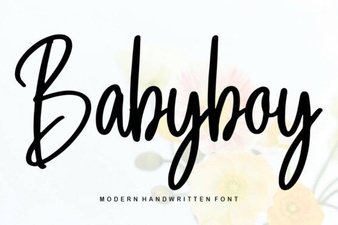 Crafting with the Babyboy Font: Design Ideas & Uses
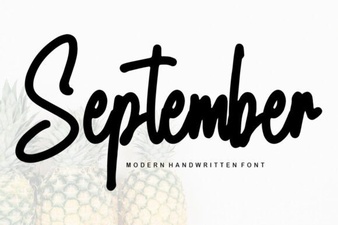 Choosing the Perfect September Font for Your Design Project
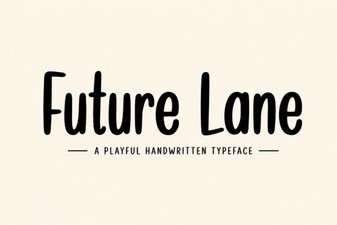 Future Lane Font: Creative Applications & Design Ideas
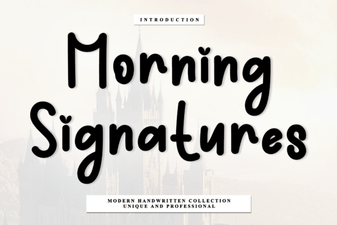 Morning Signatures Font: Creative Handwriting for Design Projects
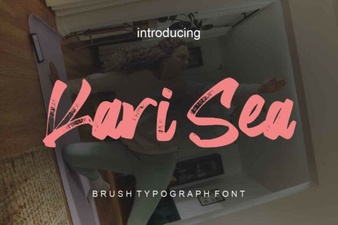 Kari Sea Font Download & Creative Typography Ideas
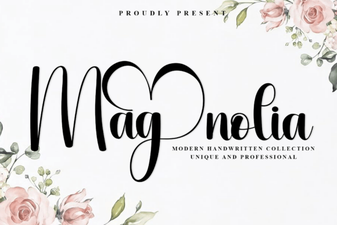 Elevate Your Designs with the Elegant Magnolia Font