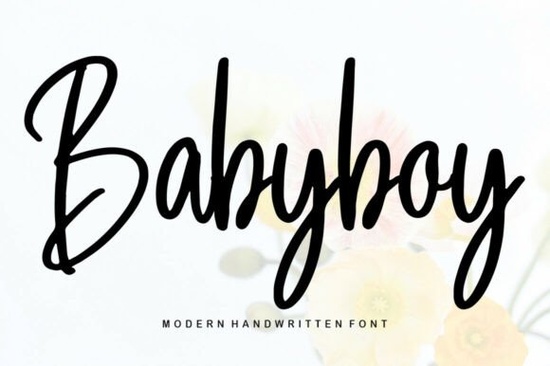
If you are looking for a handwriting-style typeface that feels warm without sacrificing readability, Babyboy Font delivers exactly that balance. Crafters and small business owners often struggle to find lettering that looks personal but still prints clearly on tags, stickers, or apparel. This sweet and friendly handwritten style solves that problem by keeping letterforms relaxed while maintaining clean spacing. You will notice how quickly it transforms flat layouts into pieces that feel handcrafted, whether you are printing mockups for an online store or drafting digital invitations.
What makes this style work well for handmade and digital projects?
The charm lies in its subtle irregularities. Unlike mechanical block letters or overly decorative scripts, this family avoids extreme swashes that clash with busy backgrounds. That restraint makes it surprisingly adaptable across different mediums. When you apply it to sublimation files, laser engraving templates, or watercolor clipart, the strokes maintain their thickness and never break down at smaller sizes. Many sellers appreciate how easily it translates to both light pastel palettes and bold high-contrast prints. The curves also leave plenty of breathing room around kerning pairs, which reduces guesswork during the placement phase.
Which projects get the most use out of this typeface?
Designers typically reach for it when a project needs a gentle, approachable voice. Wedding stationery remains a top choice because the handwritten rhythm feels intimate without looking childish. Gift tags, packaging labels, and care instructions also benefit from the same clear, casual tone. Print-on-demand creators frequently place it over minimalist graphics or botanical illustrations to let the typography carry the emotional weight of the piece. Hobbyists who sketch planners, bullet journals, or scrapbook layouts often layer it with simple line art to keep pages tidy while adding character. Because the shapes stay rounded and open, it reads comfortably even when printed on textured paper or stretched across curved mug wraps.
How do you pair it with other typefaces for balanced designs?
Handwritten styles perform best when they share the stage with clean, neutral companions. A structured sans serif or a classic serif creates just enough contrast to keep the layout readable while letting the main script shine. If your design leans heavily toward vintage aesthetics, you might explore Happy Sticks for a playful complementary option, or choose Future Lane when you need something slightly more elongated. For floral or garden-themed projects, pairing with Magnolia adds a soft, romantic layer without overwhelming the primary message. Seasonal or nursery designs often look polished alongside Snuggle Bunny when you want to maintain a cohesive cuteness level across the entire composition.
Where can designers find similar styles to compare?
Browsing curated collections helps you spot variations in stroke weight, slant, and ligature density before committing to a single family. Platforms that organize fonts by use case make it easier to filter results based on licensing terms and commercial availability. Checking the main script archive alongside seasonal drops lets you test how different handwriting rhythms behave side by side. You can often preview live text, adjust weights, and see how extended punctuation sets render before purchasing. Comparing multiple families side by side saves time during the mockup stage and prevents last-minute swaps when client feedback calls for a slightly sharper or softer impression.
What should you check before downloading and commercial use?
Licensing details always dictate how far you can stretch a typeface in your workflow. Verify whether the agreement covers merchandise production, digital downloads, and social media promotions, since those categories sometimes carry separate conditions. Most modern font bundles include standard and extended language support, which matters if you publish guides, catalogs, or customer communications in multiple regions. File formats usually come in OpenType and TrueType versions, so confirming cross-platform compatibility ensures your vector software or cutting machine reads the outlines correctly. Testing a full alphabet run through your actual production workflow catches spacing issues early and keeps turnaround times predictable.
If you want to browse the full catalog and track recent updates, visiting the Babyboy Font collection page provides direct access to licensed files and author notes. Reading creator guidelines there clarifies usage boundaries and reveals bundled extras like matching clipart or pattern sheets that streamline multi-element layouts.
Before finalizing your design files, run through these quick checks:
- Confirm the license covers your intended sales channel
- Preview the type at actual print dimensions
- Verify that special characters appear in your design program
- Ensure color contrast meets accessibility standards for digital postings
- Save backup copies in both editable and flattened formats
Keeping a short folder of tested combinations ready accelerates future projects and reduces revision rounds.
Download Now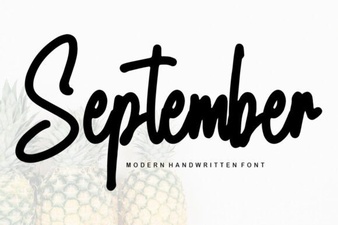 Choosing the Perfect September Font for Your Design Project
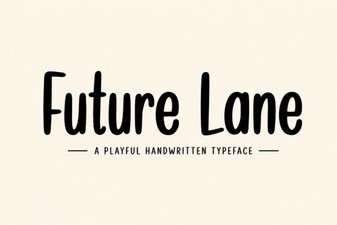 Future Lane Font: Creative Applications & Design Ideas
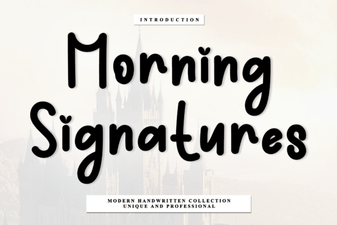 Morning Signatures Font: Creative Handwriting for Design Projects
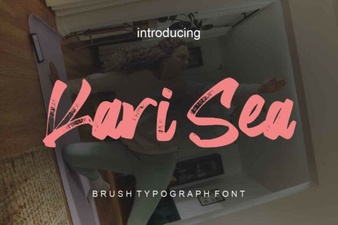 Kari Sea Font Download & Creative Typography Ideas
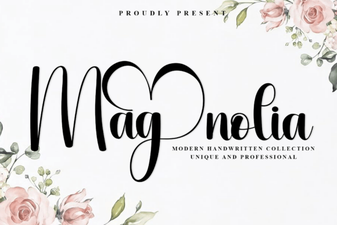 Elevate Your Designs with the Elegant Magnolia Font
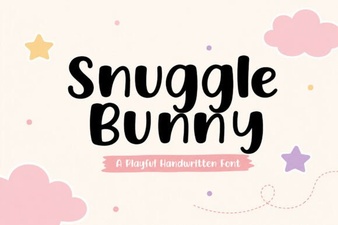 Snuggle Bunny Font: Designs & Creative Projects