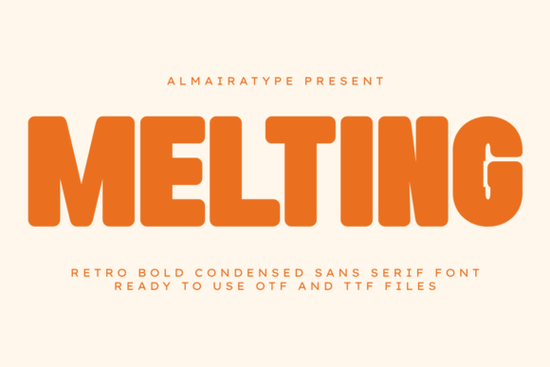
If you are designing apparel prints, social media graphics, or custom decals, your choice of typeface often determines whether a design sells or gets scrolled past. That is exactly where Melting Font steps in. Built as a bold, retro-inspired condensed sans serif, it delivers strong visual weight without stretching across the entire canvas. This compact structure proves especially practical for layouts where you need tight spacing, dense text blocks, or attention-grabbing headlines that remain readable at smaller sizes. Unlike many display typefaces that break down when scaled too low, this design maintains crisp edges and clear letterforms, making it a reliable workhorse for both digital mockups and physical production.
Why does a condensed sans serif work better for merchandise and branding?
When creating custom shirts, tote bags, or product labels, designers frequently run into the problem of limited printable area. Wide typefaces force you to reduce font size until the message becomes hard to read. A compressed alternative solves this by packing more character mass into fewer pixels while preserving breathing room between letters. The heavy contours in this typeface echo classic 1970s advertising aesthetics, yet the proportions stay clean enough for modern e-commerce shops. You get that nostalgic pull without sacrificing the sharpness that today’s consumers expect. For designers who want to compare structural variations, visiting the dedicated condensed sans serif collection page offers quick side-by-side previews to refine your layout strategy.
The visual impact also extends to brand identity systems. Because the alphabet occupies less horizontal space, you can pair it efficiently with secondary text or intricate illustrations. Packaging designers appreciate how the tight layout keeps warning labels, ingredient lists, or usage instructions organized without overwhelming the central artwork. Streetwear creators frequently layer these bold letters over distressed textures or photographic backgrounds, knowing the dark shapes hold their ground against busy imagery. If you prefer exploring similar structural approaches, browsing a curated selection of retro condensed styles can show you how different stroke weights change the overall mood of your pieces.
How does it handle detailed cutting software and print workflows?
Crafters and print-on-demand sellers rely on precision files that translate cleanly from screen to material. This particular typeface ships with ultra-clean vector outlines, which means every curve and corner follows smooth Bézier paths rather than jagged approximation lines. When you import the files into Cricut Design Space, Silhouette Studio, or basic vector editors, the software recognizes continuous strokes without generating unnecessary anchor points. That direct translation saves hours of manual cleanup and prevents misaligned cuts or torn vinyl edges.
Weeding becomes noticeably faster because the negative space stays consistent throughout the alphabet. Stickers, mug blanks, and wall art require steady hand placement, and predictable cut lines reduce wasted time. Many independent sellers note how switching to tightly structured fonts streamlines their bulk ordering process. For those managing multiple machine formats, testing a quick batch with a free trial version helps confirm file compatibility before committing to larger production runs. Exploring complementary professional grade alternatives often reveals how varied terminations and stem widths affect final output quality on different substrates.
Which projects actually benefit most from this specific style?
This typeface shines brightest when you need immediate visual authority without resorting to heavy drop shadows or complex gradients. Summer collections thrive on its streamlined silhouette, especially when paired with bright color blocking or minimalist line drawings. Digital marketers use it for promotional flyers and email headers because the thick forms capture attention quickly on mobile screens. Small business owners also find value in its straightforward licensing, which covers most commercial merchandising scenarios without hidden restrictions.
Testing different tracking settings reveals how flexible the design truly is. Tighter spacing creates a unified poster effect, while wider gaps soften the aggressive tone for lifestyle branding. Seasonal campaigns often pair well with lighter counterparts like Spring Tumbler to balance visual weight across a full catalog. If you want to verify availability across additional platforms, searching for Melting shows current bundle options and preview libraries that speed up project setup. Keeping a few pre-sized layers ready in your template folder will save valuable minutes during launch windows.
Practical next steps for implementation
- Import the vector files and inspect anchor point density in your preferred editing software.
- Create a test cut on scrap cardstock to verify blade pressure and weeding clarity.
- Build three spacing variations to match different product dimensions.
- Save master templates with locked baseline guides to maintain consistent vertical alignment.
Start with a single label or patch, evaluate how the ink transfers or how the vinyl adheres, then scale your approach once the workflow feels predictable. Adjusting track values and experimenting with contrasting background tones will eventually give you a repeatable system for launching new inventory.
Try It Free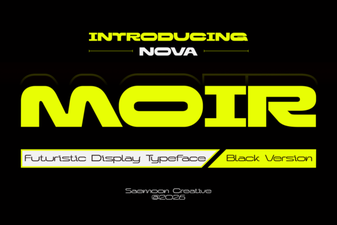 Nova Moir Font: Creative Design Projects & Ideas
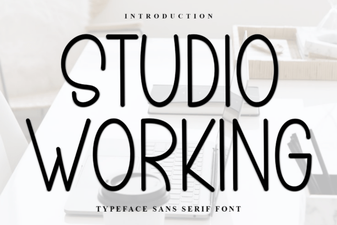 Studio Working Font: Your Creative Typography Toolkit
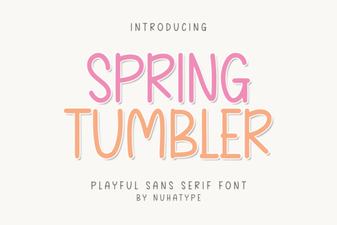 Spring Tumbler Fonts for Creative Watercolor Projects
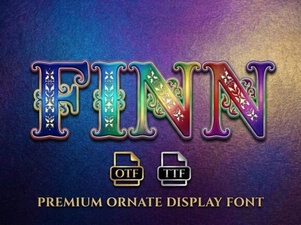 Finn Font: Design Ideas for Modern Projects
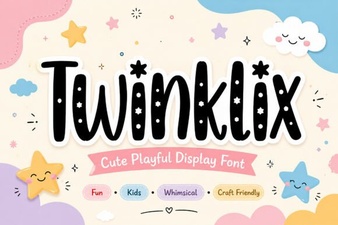 Twinklix Font: Creative Design Projects & Ideas
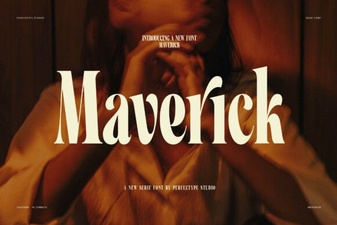 Maverick Font: Creative Design Ideas & Tips