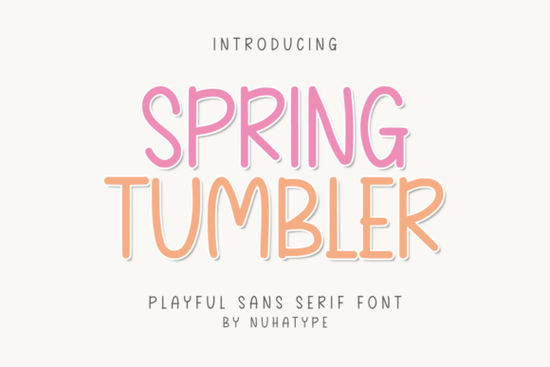
If you run a small print shop or regularly cut designs for custom drinkware, you already know that spacing and weight make or break a final product. An overly heavy letterform can crowd a tumbler rim, while a perfectly balanced thin sans serif keeps the message clean and highly readable. That is exactly what Spring Tumbler Font delivers to your workflow. It strips away unnecessary decorative strokes and focuses on a natural, slightly hand-drawn rhythm that still feels structured enough for commercial prints. You can drop it into vinyl cuts, sublimation layouts, or digital planner templates without wrestling with erratic ligatures or broken paths.
Why does a delicate sans serif stand out on finished products?
Minimalist typography works because it trusts the viewer. When a line remains unbroken and proportionally consistent, the eye moves across the phrase without stopping on clunky terminals or uneven crossbars. This particular style captures that quiet confidence while keeping a gentle organic touch. On items like resin coasters, matte tumblers, or cream-colored journal covers, the extra white space inside the letter counters prevents ink bleed or heat press smudging from swallowing the details. It also leaves room for secondary elements like botanical line art, subtle stippling, or thin border frames without creating visual competition.
Where should you apply this typeface before scaling up production?
The clean geometry makes it highly versatile across both physical crafts and digital layouts. Many creators pair it with everyday affirmations or seasonal kitchen labels because the moderate x-height reads clearly at fifty points on packaging and thirty points on mug sleeves. If you sell on marketplaces that require thumbnail previews, a light-weight sans maintains sharp edges even when scaled down. For interior pages in low-content books, bullet journals, or wedding invite suites, the same file handles both headings and body captions with equal steadiness. The result is a unified visual voice that does not look patched together from mismatched type libraries.
Can thin letters stay legible on curved or textured surfaces?
They can, provided you adjust the negative space before exporting. Increase the tracking by five to eight percent when cutting vinyl for stainless steel or powder-coated aluminum. Slightly tighten the kerning around characters like L, V, and W to keep diagonal stems from touching adjacent shapes. When placing quotes along the seam of a tumbler, map the path carefully and preview the full circumference on screen; what looks cramped in a flat vector program often relaxes once wrapped. Pair the lettering with high-contrast backing to guarantee that the slender strokes remain distinct under bright event lighting or indoor fluorescent fixtures.
Which other typefaces pair well when building a cohesive shop collection?
A single style rarely covers every client request. When you need something more fluid for abstract branding, consider exploring Melting Font for soft gradient effects or distressed overlays. If your storefront leans toward functional stationery and workshop worksheets, Studio Working Font offers sturdy spacing that survives repeated printing runs. For vintage-inspired poster work or label designs that demand retro structure, Nova Moir Font introduces geometric tension that balances delicate scripts nicely. For detailed breakdowns of this exact typeface, the curated archive at Spring Tumbler Font collects all available weights and installation guides in one place.
Before you finalize any commercial release, always verify the license terms attached to your download. Most creator platforms supply an individual composer agreement that permits personal use, limited merchandise runs, and basic client deliverables. If you plan to produce large-scale inventory or bundle the glyphs into a separate font pack, upgrade to a commercial extension and keep records of your purchase receipt. High-resolution SVG outlines, TrueType files, and OpenType variations are standard, giving you flexibility whether you work in Cricut Design Space, Adobe Illustrator, or free web editors. For quick testing across multiple device profiles and resolution checks, visiting a dedicated search hub like Spring Tumbler Font helps you compare recent updates, read community notes, and pull fresh layers straight into your workspace.
- Open the original vector file and double-check that all corners are closed before sending to a cutter or platen printer.
- Set baseline guides at twenty-two millimeters height to maintain consistent alignment across sticker sheets and sleeve wraps.
- Run a small test print on scrap material first, then measure edge tolerance to adjust your design spacing if needed.
- Organize exported assets by project type, naming folders with dates and client initials so revisions stay traceable.
- Keep a master style sheet handy that lists approved color codes, recommended tracking values, and pairing references for faster turnaround.
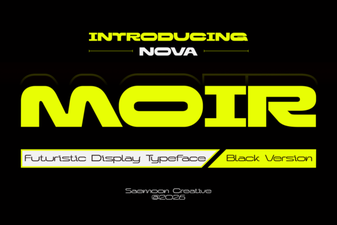 Nova Moir Font: Creative Design Projects & Ideas
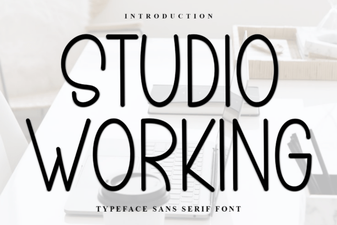 Studio Working Font: Your Creative Typography Toolkit
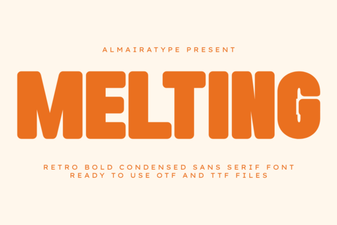 Creative Uses for a Melting Font in Design
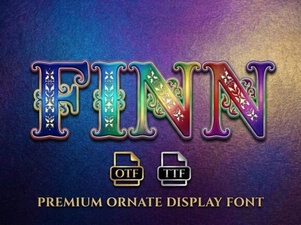 Finn Font: Design Ideas for Modern Projects
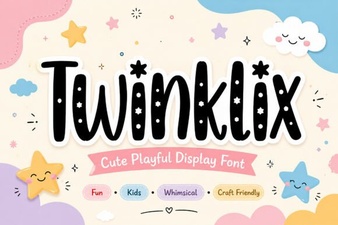 Twinklix Font: Creative Design Projects & Ideas
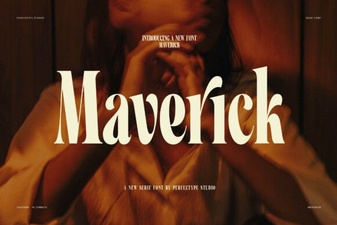 Maverick Font: Creative Design Ideas & Tips