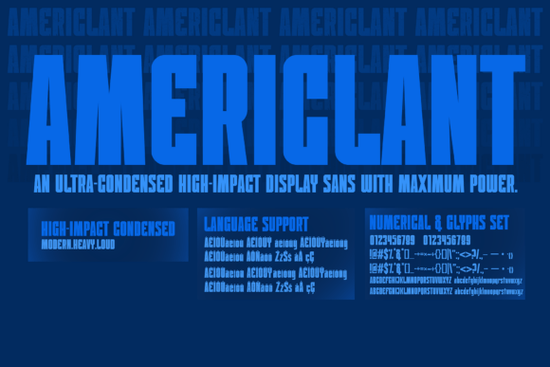
When your project needs a headline that demands attention without taking up much horizontal space, Americlant Font delivers exactly that kind of visual control. Built specifically for high-impact display work, this ultra-condensed sans serif typeface cuts through clutter while maintaining a strong, modern silhouette. Whether you are preparing merchandise mockups, laying out event posters, or building a brand identity for a small business, having a compact type family that scales cleanly makes a noticeable difference in readability and layout efficiency.
Why Choose a Condensed Display Typeface for Merchandising?
Condensed letters pack more characters into a single line, which matters when you are working with limited print areas like t-shirt sleeves, mug wraps, or social media thumbnails. The tight letterforms create a unified block of color that reads instantly from a distance. Instead of stretching a wide font until it looks thin and distorted, you can select a purpose-built condensed variant and keep the proportions natural. This approach saves time during vector tracing and keeps your exports crisp at any resolution.
When Does a Regular Version Outperform a Distressed Alternative?
Some projects require clean edges and precise alignment, especially for corporate presentations or minimalist product packaging. The standard regular cut of this condensed typeface maintains sharp internal geometry and consistent stroke weights, making it ideal for modern editorial layouts. When paired with ample white space, those straight lines communicate professionalism without feeling stiff. If your workflow often shifts between digital proofs and large-format prints, starting with the crisp version gives you a reliable baseline before adding any texture overlays later.
Should You Ever Layer Textures Over Clean Typography?
Certain audiences respond well to worn, industrial, or retro-inspired aesthetics. That is where the built-in Grunch version steps in. Rather than applying a separate brush pack or clipping mask effect that might obscure details, you get a dedicated glyph set with intentional noise baked into the shapes. This works particularly well for vintage apparel drops, motorcycle club merchandise, or gym branding where authenticity matters more than polish. The texture follows the original anatomy of each letter, so diagonal cuts and tight curves never break into unreadable artifacts.
How Does Tight Kerning Impact Large-Scale Typography?
Wide tracking usually looks elegant in body copy, but headlines often benefit from adjusted spacing to prevent awkward gaps between angled terminals. Tight kerning closes those sight lines, creating a solid visual mass that anchors a composition. You will notice how this feature reduces the need for manual character adjustments during the export phase. If you frequently design banners or vehicle wraps, reducing negative space between letters keeps the message legible even at low viewing distances. Pairing this behavior with a heavy weight creates a commanding presence that guides the eye straight to the core statement.
Which Supporting Fonts Complement an Ultra-Condensed Layout?
No single typeface handles every job. Balance a narrow display head with a highly readable body font to maintain hierarchy across your materials. You can pair this style with Inell for structured grid designs, or switch to Josie when you need softer contrasts in fashion-related campaigns. For tech-forward landing pages, Moment provides a neutral backdrop that lets the main heading stand alone. If your current project leans toward lifestyle content, Groovy Bloom introduces organic curves that offset the rigid geometry of narrow letters. Testing these combinations at 100% zoom helps you spot alignment issues before committing to production files.
Before uploading final artwork to printing platforms or vendor dashboards, run a quick quality check. Convert all outlines, verify color modes, and preview scaled-down versions on mobile screens. Americlant ships with ready-to-use web and desktop licenses, so double-check usage rights for commercial merchandise runs. Keep a master file untouched in case you need to adjust tracking later. Build a simple swatch library containing both the regular and textured variants, along with three complementary pairing options. This habit cuts revision cycles in half and ensures every drop meets professional standards.
What Steps Protect Your Commercial Projects?
Maintaining organized source files prevents costly mistakes during peak sales seasons. Follow this quick workflow to keep your output consistent:
- Standardize layer names across all documents to speed up collaboration.
- Save vector drafts in both EPS and SVG formats for maximum platform compatibility.
- Test contrast ratios against background colors before finalizing transparent PNG exports.
- Archive license receipts inside a dedicated folder named after your client or project series.
Applying these habits turns scattered design attempts into repeatable processes. Spend thirty minutes each week organizing your typography libraries, and you will notice fewer last-minute redesigns when orders spike. Experiment with different weight combinations, swap in supporting pairings, and track which layouts convert best for your specific niche.
Try It Free Finn Font: Design Ideas for Modern Projects
 Twinklix Font: Creative Design Projects & Ideas
 Rabios Font: Download & Creative Projects Guide
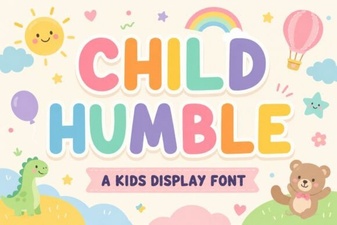 Crafting Projects with Humble & Playful Fonts
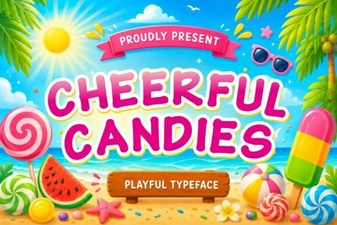 Cheerful Candies Font for Fun Web Design
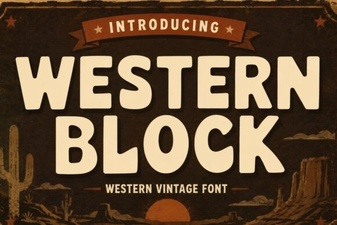 Western Block Fonts for Design Projects